A hose clamp, also known as the hose lock or the hose clip, is used to attach a hose onto a fitting. There are different types of hose clamp: screw clamp, spring clamp, wire clamp, and ear clamp. A screw clamp has a band and a captive screw. Using the screw clamp requires putting it around the hose to where it will be connected. It will then be tightened like a belt.
A spring clamp is made from spring steel. It has three tabs: one is on the center while the other two are on both ends, all bent outwards, giving that intermeshing look. Using the spring clamp needs you to press the tabs toward each other to expand the diameter. Once the hose is in, release the tabs to compress the hold and lock the hose in place.
A wire clamp uses heavy wire that’s bent into a U-shape. These clamps are then formed into a ring shape, ends overlapping each other. A captive screw and nut are used to attach the ends.
An ear clamp also uses a band. However, instead of a screw to tighten it, it uses “ears.” when these ears are closed at the base using a pincer tool, the ears deform which tighten the band in place.
A stainless hose clamp has an added chromium for strength and resistance to rust. If exposing materials to saltwater, stainless steel is the way to go. Galvanized steels reacts negatively to saltwater.
A long nut is another term for a coupling nut or a connecting nut. A connecting nut, or more commonly referred to as a coupling nut, is used to join two bolts, male threaded rods, or pipes together. It may also be used to extend length. It can join any two externally threaded objects as long as both are of the same diameter and thread pitch. For example, it can couple a hanger bolt and a threaded rod or two threaded rods.
At times, a coupling nut may also be used as a standoff or spacer to raise one part of an assembly higher than the other. If connecting two external items with different sizes, you should get the reducing connecting nut. There are instances as well when you need to tighten a rod assembly inware or to press it outward. Coupling nuts can also help you with either of those applications.
It is slightly different from a sleeve nut in that a coupling nut offers a right hand thread. Whereas, a sleeve nut offers both left and right hand threads plus it’s usually longer. The taper also begins in the middle to the end, with a stop in the middle.
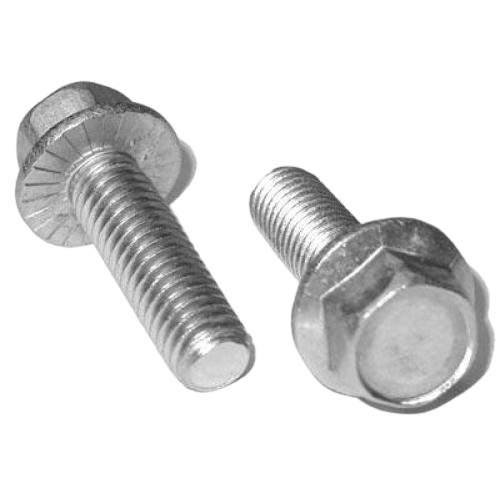
A flange bolt is like a flange nut in that it has a circular flange that functions as a built-in washer. There are different types of flange bolts: partial thread, full thread, full thread and serrated, and oversize full-thread and serrated. Flange bolts have hexagonal heads which is driven by a wrench.
Bolts are one of the most common basic hardware parts you can see in any industry–automotive, construction, agriculture, etc. Bolts definition is they are mechanical fasteners that connect different parts. Its parts include the head and a threaded cylindrical body. Bolts are usually used with washers and nuts to lock them in position and prevent loosening or crushing. One reason bolts are popular across all industries is that it makes assembly, disassembly, and reassembly easier compared to permanent fastening such as welding.
Bolts should not be confused with screws, however. As mentioned previously, bolts definition is they are mechanical fasteners that connect different parts. Screws are also mechanical fasteners; however, how they look and how they are used are different.
As stated above in the bolts definition section, bolts are headed and have a cylindrical, threaded body. Screws are headed and have a cylindrical, threaded body as well. However, the thread on screws are capable of piercing a surface. Also screws do not require nuts and washers to keep them in place. For this reason, screws may be drilled directly into a surface while bolts require a pre-drilled hole. This is why the opposite end of screws are usually sharp–to help pierce a surface easily.
A hi nut or high nut or tall nut is used when a standard hex nut is too thin for the application, particularly in automotive or industrial equipment. Another reason high nuts are used is the fact that there’s an increased thread engagement with the screw or the bolt. This means there’s more room for wrenching. High nuts are commonly used with lock washers.
Nuts are types of fastener with a threaded hole. Usually, a nut is the counterpart of a bolt. Bolts can hold things together tightly thanks to the nuts. Nuts and bolts are used together to clamp two or more parts having unthreaded holes together. The two are kept together by a combination of several factors including the friction of their threads, stretching of the bolt, and compression of the parts that are to be held together.
To simplify, nuts are round discs that have a hole inside them used with bolts to fasten objects. In normal use, a nut-and-bolt joint holds together because the bolt is under constant tensile stress. The tensile stress pulls the nut threads against the bolt threads providing a clamping force that would prevent axial movement. However, when a joint is subjected to vibration, there is a tendency for the nut to easily loosen, therefore, specialized locking nuts are preferred in this situation.
A stud bolt is a bolt with two hexagonal nuts on both ends. It’s used to replace the common bolts and nuts combo. Stud bolts are commonly use in flange connections, a method of connecting two pipes together. These are the different types of stud bolts: continuous threaded, tap end, double end, double end with reduced shank, flange, and welding studs.
Bolts are one of the most common basic hardware parts you can see in any industry–automotive, construction, agriculture, etc. Bolts definition is they are mechanical fasteners that connect different parts. Its parts include the head and a threaded cylindrical body. Bolts are usually used with washers and nuts to lock them in position and prevent loosening or crushing. One reason bolts are popular across all industries is that it makes assembly, disassembly, and reassembly easier compared to permanent fastening such as welding.
Bolts should not be confused with screws, however. As mentioned previously, bolts definition is they are mechanical fasteners that connect different parts. Screws are also mechanical fasteners; however, how they look and how they are used are different.
Tek screws are self drilling screws. Tek is actually the renowned brand name of self-drilling screws. This means you don’t need to drill a hole before installing these screws. Of course, however, tek screws can be used on soft materials only such as wood and thin metal. Its self-tapping thread and drilling point allow them to be installed without using a drill.
Screws are headed and have a cylindrical, threaded body as well. However, the thread on screws are capable of piercing a surface. Also screws do not require nuts and washers to keep them in place. For this reason, screws may be drilled directly into a surface while bolts require a pre-drilled hole. This is why the opposite end of screws are usually sharp–to help pierce a surface easily.
Screws are also a major category of threaded fasteners. Screws and bolts share a lot of likenesses such as being made of metal and being characterized by a helical ridge. They are both used to fasten materials by the engagement of the screw thread or the external thread with a similar internal thread in the matching part.
Lock nuts or locknuts, also called self-locking nuts, are used when a resistance to vibration is needed. Other nuts get deformed under torque and vibrations but not locknuts.
Nuts are another type of fastener with a threaded hole. Usually, a nut is the counterpart of bolt. Bolts can hold things together tightly thanks to the nuts. Nuts and bolts are used together to clamp two or more parts having unthreaded holes together. The two are kept together by a combination of several factors including the friction of their threads, stretching of the bolt, and compression of the parts that are to be held together.
To simplify, nuts are round discs that have a hole inside them used with bolts to fasten objects. In normal use, a nut-and-bolt joint holds together because the bolt is under constant tensile stress. The tensile stress pulls the nut threads against the bolt threads providing a clamping force that would prevent axial movement. However, when a joint is subjected to vibration, there is a tendency for the nut to easily loosen, therefore, specialized locking nuts are preferred in this situation.
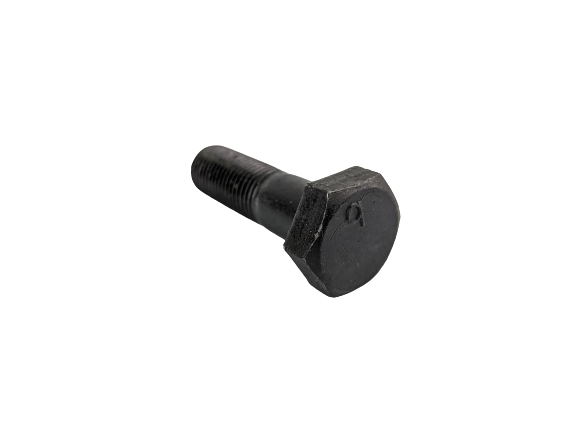
Propeller bolts are special bolts used in different automotive propellers. They’re usually hi-tensile and tetanized. Propeller bolts do not work for all wood propellers. Also, a hub’s thickness defines the length needed for the prop bolts.
Automotive bolts such as the pop bolt are threaded fasteners, with a head on end. Using these bolts need pre-drilled holes and nuts. Sometimes it may also require a washer to make sure it won’t loosen. The most common types of automotive bolts are hub bolts, head bolts, and u-bolts. Perhaps the most popular of these are the head bolts.
Moving on to the crucial role the bolts play in car’s safety, it is important to note that bolts must be securely fastened. A loose bolt may lead to tragic vehicular accidents. Automotive fasteners are made of different materials such as steel, iron, brass, nickel, and aluminum. Despite the differences in their built, one thing remains the same: they’re all made to withstand extreme environments.
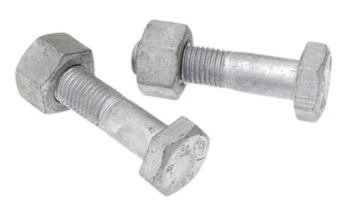
A hot-dip galvanized bolt is a bolt immersed in molten zinc for protective coating. This coating makes the bolt corrosion resistant yet more affordable than stainless steel.
Bolts are one of the most common basic hardware parts you can see in any industry–automotive, construction, agriculture, etc. Bolts definition is they are mechanical fasteners that connect different parts. Its parts include the head and a threaded cylindrical body. Bolts are usually used with washers and nuts to lock them in position and prevent loosening or crushing. One reason bolts are popular across all industries is that it makes assembly, disassembly, and reassembly easier compared to permanent fastening such as welding.
Bolts should not be confused with screws, however. As mentioned previously, bolts definition is they are mechanical fasteners that connect different parts. Screws are also mechanical fasteners; however, how they look and how they are used are different.
A machine screw is used for holding parts together in different machines: engines, electronic, or manufacturing equipment. A machine screw is typically installed by inserting it into pre existing holes unlike the other screws that can cut through a surface as they’re installed. A machine screw is not threaded all the way down. Also this screw is normally used for metal to metal attachments.
Generally, screws don’t need nuts to get fastened. They become secure by being tightened into the hole using a screwdriver. Screws are usually shorter than the width of the material being screwed and don’t protrude on to the other side.
Sockets are gears for attaching a turning tool to lock fasteners. They fit over the head of the fastener to provide torque. Fasteners such as socket screws, also known as Allen Head screws, have sockets within their heads so that Allen wrench could secure the screw.
Type 304 Stainless steel is a T300 Series Stainless Steel austenitic. It has a minimum of 18% chromium and 8% nickel, combined with a maximum of 0.08% carbon. Knowing this, you may be confident that your 304 stainless steel stove bolt is corrosion-resistant.